
Opioid Addiction Treatment
Tired of Living Between Quitting and Continuing

Written By
Opioid Addiction Treatment
Written By
You don’t fully trust yourself to quit.
But you also don’t fully trust yourself to keep going.
That’s a strange place to stand — on the fence, looking both directions, knowing something has to shift but not sure you’re ready for the consequences of shifting it.
If you’ve been quietly researching Opioid Addiction Treatment and then closing the tab because it feels too final, too serious, too real — that doesn’t mean you’re flaky. It means you’re human.
You don’t have to flip your entire life upside down tomorrow. You can move forward without pretending you’re 100% sure.
Here’s how.
You don’t have to label yourself.
You don’t have to declare, “I’m an addict.”
You don’t have to promise forever.
Start with something smaller and more honest:
“I’m curious what my life would feel like without this.”
Sober curiosity isn’t weakness. It’s awareness.
Maybe you’re noticing:
Curiosity is the first crack in the wall. You don’t need to break the whole thing down today. Just let the crack exist.
Fence-sitting usually isn’t about laziness. It’s about fear.
But fear gets loud when it’s vague.
Ask yourself — what exactly am I afraid of?
Write it down. Say it out loud. Make it concrete.
Most people aren’t afraid of healing. They’re afraid of the unknown.
And the unknown feels bigger than it actually is.
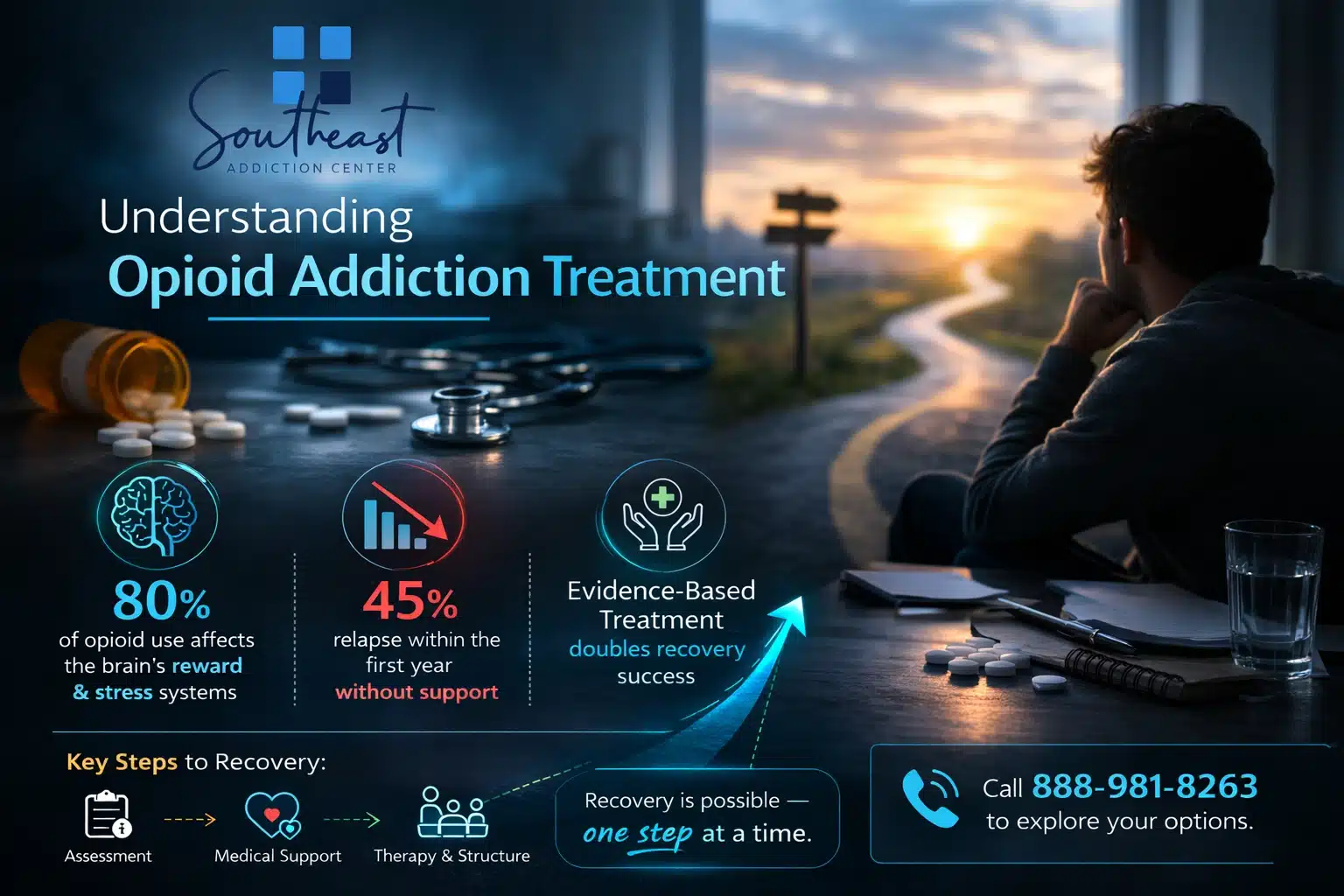
Addiction thrives on extremes.
“I either quit forever or I don’t try.”
“If I’m not completely ready, it won’t work.”
“If I slip, it means I failed.”
That’s not how real change works.
You can:
You don’t have to sign a lifelong contract with sobriety today.
You’re not promising forever. You’re giving yourself a chance.
Here’s something that surprises people:
Calling doesn’t equal enrolling.
You can ask questions.
You can say you’re unsure.
You can say you’re still using.
You can say you’re scared.
A real conversation often brings more clarity than hours of overthinking alone.
And when you speak to people who treat addiction as healthcare — not a moral issue — something shifts. The pressure drops.
If you’re looking into treatment options in Georgia, exploring local treatment options in Georgia can give you a clearer picture of what’s available without forcing a commitment.
Information creates breathing room.
One of the biggest misconceptions is that getting help means disappearing.
That’s not always the case.
Depending on your situation, support may look like:
There isn’t one “right” way to start. There’s only the way that matches your current level of risk and stability.
When you’re on the fence, knowing you have options makes the leap smaller.
When you’re unsure about changing, it can feel safer to stay exactly where you are.
But staying still isn’t neutral.
Ask yourself gently:
Is this getting better?
Or is it slowly getting heavier?
Maybe you’re managing — technically. You’re functioning. Showing up. Paying bills.
But are you:
Sometimes the real question isn’t “Am I ready for treatment?”
It’s “Am I willing to keep living like this?”
That answer doesn’t require drama. Just honesty.
If opioids have been part of your routine for a while, they likely served a purpose.
They may have:
Of course you’re conflicted. You’re not crazy for that.
But over time, what once helped starts shrinking your life.
You may notice:
You’re not “giving up” something magical.
You’re reclaiming space.
And that space is where real energy, connection, and steadiness return.
Perfectionism keeps people stuck.
“If I start, I have to do it flawlessly.”
“If I relapse, I’ve ruined everything.”
“If I can’t promise forever, what’s the point?”
Recovery is not a performance.
It’s a process.
There may be adjustments. There may be discomfort. There may be moments of doubt.
That doesn’t mean it isn’t working.
Most sustainable change looks messy at first. That’s normal.
Not perfection.
Not euphoria.
Just stability.
Imagine:
That quiet steadiness — that’s often what people miss most once they’ve lived without it.
And it’s possible.
You don’t have to leap.
You can:
Momentum builds from small actions.
Courage isn’t loud. Sometimes it’s just dialing a number while your hands shake.
That doesn’t disqualify you.
Many people reach out while they’re actively using. The first step is conversation and assessment, not judgment.
You don’t have to “clean up” before asking for help.
You don’t have to hit a catastrophic low point.
If your use is causing stress, secrecy, dependency, or fear — that’s enough to explore support.
Early intervention often makes recovery smoother and safer.
That fear is common.
Medical support can significantly reduce discomfort and monitor safety. You don’t have to white-knuckle severe symptoms alone.
The goal is stabilization — not unnecessary suffering.
Different levels of care exist for a reason.
Some people need immersive support. Others benefit from structured daytime or multi-day weekly care that allows them to maintain responsibilities.
An assessment helps determine what fits your life.
Recovery isn’t a single event. It’s an evolving process.
If something doesn’t fit, it can be adjusted. That’s not failure — that’s information.
What matters most is staying engaged.
If you’re reading blogs like this regularly…
If you’ve started imagining a different life…
If you feel both fear and relief at the idea of change…
You may already be closer than you think.
Being on the fence is exhausting.
It takes energy to debate yourself every day.
You don’t have to transform overnight. You don’t have to make a dramatic declaration. You don’t have to be certain.
You just have to decide that your health and your future are worth exploring.
We’ve worked with many people who said, “I’m not sure I’m ready.” What they really meant was, “I don’t want to keep living like this.”
That’s enough.
Call 888-981-8263 or visit our page on Opioid Addiction Treatment services in Georgia to learn more.
You don’t have to feel 100% ready.
You just have to be brave for one honest conversation.