
Partial Hospitalization Program
The Day You Realize You Slipped — And Wonder If You Ruined Everything

Written By
Partial Hospitalization Program
Written By
Sometimes relapse isn’t loud.
There’s no dramatic collapse. No obvious warning signs. Just a moment that quietly goes the wrong direction.
Then the next morning arrives.
And the weight hits.
I had time.
People believed in me.
Did I just destroy everything I worked for?
If you’re sitting with that feeling right now, we want you to hear something clearly:
You didn’t ruin everything.
A slip after treatment can feel devastating, especially after 90 days or more of sobriety. But recovery isn’t erased by one mistake. The truth is, many alumni who stabilize again do so quickly—often through options like structured daytime care that help them reconnect with support without starting over.
This moment may feel like the end of your progress.
But for many people, it becomes the moment they rebuild stronger.
Relapse carries a kind of silence that people rarely talk about.
It’s not the chaos of active addiction. It’s heavier than that.
It’s the quiet shame that shows up in your thoughts.
You might replay the moment again and again. You might imagine what others will think. You might wonder how you’ll explain it to the people who supported you.
That inner voice can become relentless:
You knew better.
You had this under control.
You should have been stronger.
And because of that shame, many alumni pull away from support right when they need it most.
They skip meetings.
They stop answering messages.
They tell themselves they’ll fix things privately.
But recovery doesn’t grow well in isolation. Shame thrives in quiet spaces. Connection is what breaks its grip.
One of the most painful parts of relapse is the belief that all your progress has vanished.
It can feel like the clock reset to zero.
But recovery doesn’t work like a scoreboard.
Every day you stayed sober still matters.
The habits you built still exist. The coping skills you practiced are still part of you. The emotional growth you experienced didn’t evaporate.
Those months of work didn’t disappear—they built a foundation.
Even if you slipped, that foundation is still there waiting for you to stand on again.
Think about learning to ride a bike as a kid. Falling off didn’t mean you forgot how to ride. It just meant you needed to steady yourself and try again.
Recovery works the same way.
After relapse, many alumni hesitate to reach out for help.
Not because they don’t need it—but because they’re afraid of what people might say.
Some imagine disappointment from counselors or peers. Others worry that asking for help again means they failed.
So they wait.
A few days turn into weeks. Sometimes longer.
During that time, guilt grows heavier. And the longer someone waits, the harder it can feel to return.
But here’s the truth that many people discover once they reach out again:
Support systems don’t disappear after a slip.
Most treatment teams understand that recovery journeys aren’t perfectly linear. They’ve walked alongside many people who stumbled and then found their footing again.
The hardest step is often the first one—reaching out.
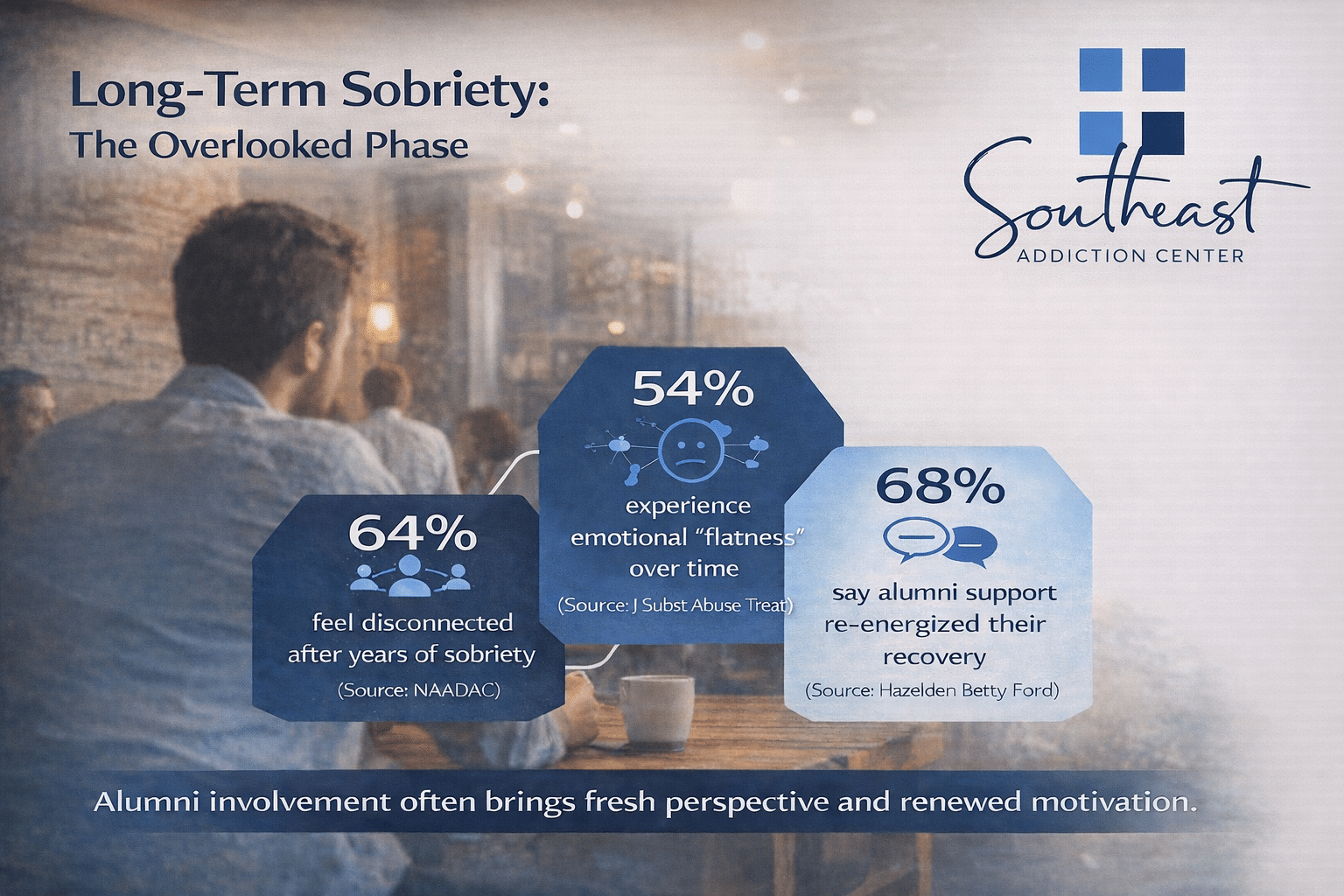
One of the biggest fears people have after relapse is the idea of starting over completely.
Many alumni imagine that reaching out will send them back into the same level of care they began with.
But recovery care evolves based on what someone needs in the moment.
For some people, the right step after relapse isn’t returning to round-the-clock treatment. Instead, they benefit from stronger structure during the day while continuing to rebuild their lives.
Programs like a Partial Hospitalization Program offer that kind of support—providing stability, connection, and therapeutic structure without fully stepping away from everyday life.
It’s not about punishment.
It’s about stabilization.
Think of it like physical rehabilitation after an injury. You don’t go back to square one—you focus on strengthening what was already healing.
Many people imagine returning to treatment support as something overwhelming.
But the reality is often much simpler.
It might start with a phone call. A conversation about what happened and what support could help most right now.
From there, the next steps can look different for each person.
Some people benefit from reconnecting with therapy and group support during the day. Others need a structured environment for a period of time to rebuild emotional balance.
What matters most is not the specific path.
It’s the decision to step back into connection instead of carrying the burden alone.
When alumni allow themselves to receive support again, many discover something surprising: the door was never closed.
When someone slips, it’s easy to focus only on the moment they used again.
But relapse often begins long before that moment.
Emotional stress builds gradually.
Work pressure increases. Relationships become strained. Sleep gets worse. Old coping habits quietly return.
Over time, the emotional pressure can start to feel overwhelming.
That’s when people sometimes drift away from the recovery routines that once helped them stay grounded.
Reconnecting with structured support allows people to slow down and look at what was happening beneath the surface.
It’s not about blame.
It’s about understanding what needs attention now.
For many alumni, reconnecting with professional support and community resources can provide essential recovery help in Georgia when life starts feeling overwhelming again.
Walking back through the door after relapse requires real courage.
Many people expect judgment waiting for them.
But most treatment professionals see something very different in that moment.
They see someone who still wants recovery.
Someone who hasn’t given up.
Someone willing to face a difficult moment instead of pretending it didn’t happen.
Coming back after relapse isn’t weakness.
It’s one of the bravest things a person in recovery can do.
Because it means choosing hope over shame.
One of the most dangerous lies relapse tells is this:
“This proves you can’t do it.”
But recovery stories are rarely that simple.
Many people who now live stable, fulfilling lives experienced setbacks along the way. What changed their trajectory wasn’t perfection.
It was persistence.
They kept showing up.
They kept asking for help.
They kept choosing recovery even when the path felt messy.
Your story isn’t finished.
This moment might feel heavy, but it doesn’t define everything that came before it—or everything that could still come next.
It’s easy to forget your own resilience after relapse.
Your mind might start rewriting history, convincing you that your previous progress wasn’t real.
But that’s simply not true.
You are still the person who walked into treatment and chose a different life.
You are still the person who stayed sober through difficult days.
You are still someone capable of growth, healing, and change.
The strength that got you through those early months didn’t disappear.
It may feel buried right now—but it’s still there, waiting to be used again.
Sometimes all it takes is the right support to bring it back to the surface.
Relapse can happen during recovery, especially during the early years. While not everyone experiences it, many people do encounter setbacks as they learn new coping strategies and adjust to life without substances. What matters most is how someone responds afterward.
No. Treatment provides tools, support systems, and strategies that can continue helping long after the program ends. A relapse doesn’t erase the progress someone made—it simply means additional support may be needed to regain stability.
The sooner someone reaches out, the easier it is often to stabilize again. Early support can help address the emotional and environmental factors that contributed to the relapse before they grow more complicated.
Many people benefit from structured treatment environments that provide daily therapy, peer support, and accountability while allowing them to maintain aspects of everyday life.
Most recovery professionals understand that relapse can be part of the recovery process. Their focus is usually on helping people move forward rather than judging past mistakes.
Yes. Many individuals regain stability and go on to maintain long-term sobriety after relapse. With the right support and renewed commitment, recovery can continue to grow stronger over time.
If you’ve slipped after treatment, you don’t have to carry the weight of that moment alone. Support options like our structured daytime care can help you stabilize, reconnect, and rebuild momentum.
Call 888-981-8263 to learn more about our Partial Hospitalization Program in Georgia.