
Intensive Outpatient Program
When Holding It Together Costs Too Much: How Our Intensive Outpatient Program Supports Quiet Battles

Written By
Intensive Outpatient Program
Written By
You wake up tired.
Not because you were out all night or because something went wrong. Everything, technically, is fine. You met the deadline. You showed up. You did the job. You even smiled through the birthday dinner and texted back “lol” when someone sent a meme that didn’t land.
But underneath? You feel like you’re barely holding on. The scaffolding is still up, but the person inside is worn out from pretending.
You don’t look like you need help. That’s part of the problem.
And that’s why we built our Intensive Outpatient Program in Peachtree Corners, GA: to support people like you—who seem okay, but know they’re not.
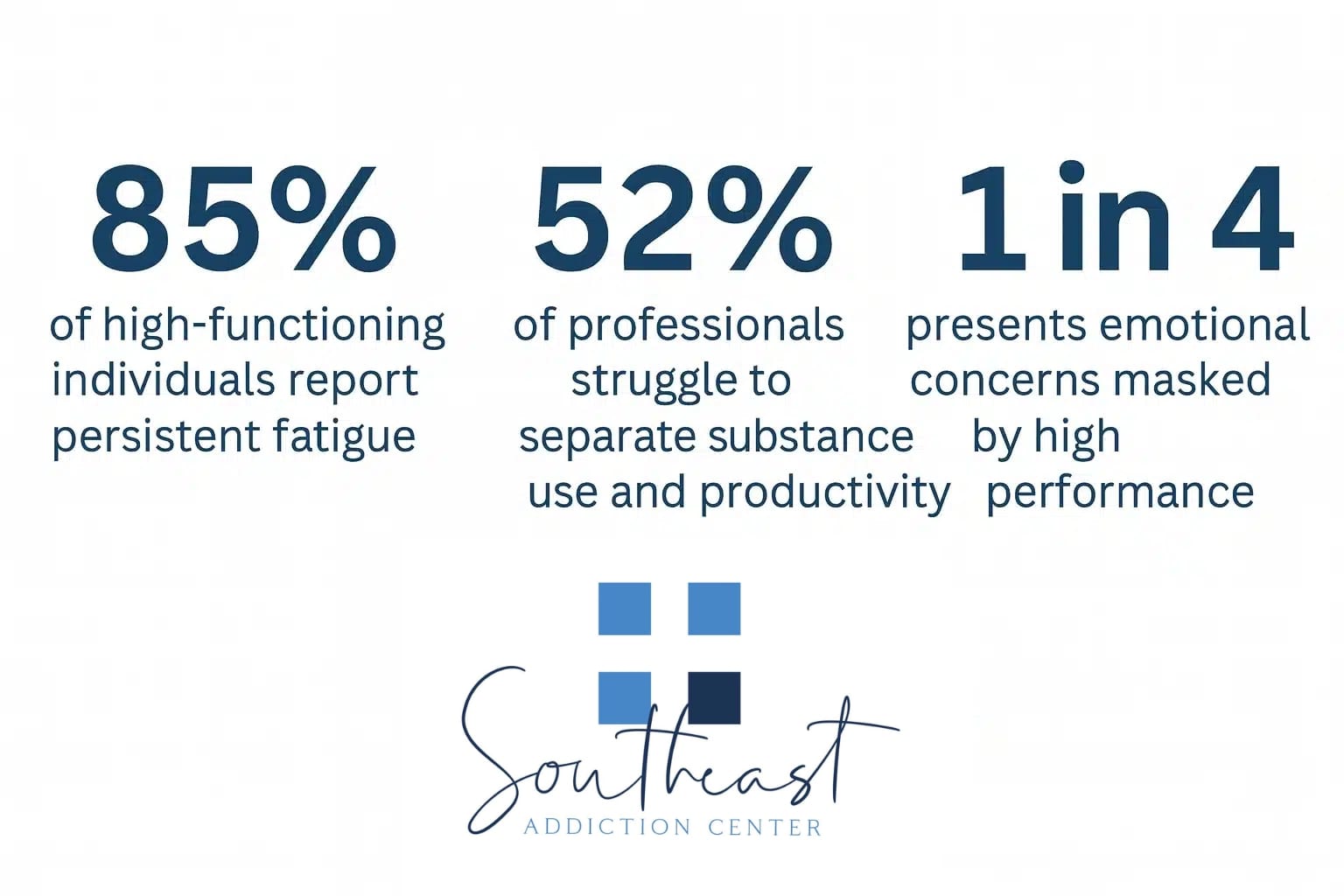
There’s a specific kind of exhaustion that comes from performing wellness while quietly unraveling. People assume you’re okay because you do your job well. You keep up with social plans. You post curated photos with your kids. You even crack jokes about needing wine at the end of the day.
But you’re not okay. Not really.
And when your pain doesn’t look dramatic, it’s easier to convince yourself it doesn’t deserve help.
But here’s the truth: emotional pain that hides behind productivity still counts. The pressure to hold everything together—to keep showing up, keep managing, keep succeeding—can leave you emotionally malnourished.
For a lot of high-functioning people, substances are part of the management system.
A drink to soften the edge. A pill to sleep. Something to get through the silence when the mask slips.
It doesn’t feel like addiction—because nothing’s falling apart. But you know there’s a growing cost. And you’re not sure how long you can keep paying it.
You don’t need to call it addiction to ask for help. If substances have become part of the formula for feeling okay, that’s enough of a reason to check in. That’s where IOP can help.
One of the hardest parts about seeking help as a high-functioning person is that your life isn’t easily put on pause.
You have a job. Deadlines. Clients. Maybe a team depending on you. Maybe a family.
Residential treatment feels impossible. But doing nothing doesn’t feel safe anymore either.
That’s where an Intensive Outpatient Program makes sense. At Southeast Addiction, our IOP is structured but flexible—giving you 9–15 hours of weekly therapeutic support while allowing you to live at home, continue working, and stay connected to your responsibilities.
It’s not about stepping away from your life. It’s about creating space to take care of the you that your life relies on.
You may not be ready to tell your employer. Or your friends. Or even your partner.
You might not know what to call what you’re feeling. You just know you’re not okay—and you’re scared of what might happen if you keep going like this.
That’s okay.
You don’t have to broadcast your pain to deserve care. Our IOP offers confidential support in a safe, stigma-free setting. You’ll be surrounded by people who get it—often because they’ve lived it.
And you won’t be pressured to label yourself, perform trauma, or meet a checklist. Just come as you are.
Our Intensive Outpatient Program in Peachtree Corners is designed to meet you where you are—especially if you’re showing up in the world while struggling internally.
Here’s what to expect:
You don’t have to quit your job or check into rehab. You just have to show up, a few hours at a time, and be honest with yourself in ways the outside world doesn’t usually allow.
Let’s name the fear: that you’ll walk into a group and be the only one like you.
But you won’t be. You’d be surprised how many people in IOP are high-performing, high-achieving professionals, parents, leaders—who carry success on the outside and pain underneath.
They didn’t fall apart in public. They fell apart in private—and decided they wanted more for themselves than the endless cycle of functioning and numbing.
You won’t be judged here. You’ll be understood.
Maybe you’ve convinced yourself this is just the tradeoff for a high-functioning life: stress, burnout, and emotional disconnection in exchange for stability and control.
But it doesn’t have to be that way.
You don’t have to stay in a cycle where success comes at the cost of self.
IOP is your space to ask:
We can’t promise it’ll be easy. But we can promise you won’t be doing it alone.
No. Many of our clients maintain their jobs while attending IOP. We offer flexible scheduling—including morning or evening tracks—to accommodate professional lives.
No. You don’t need a label to participate. If you’re using substances to cope, hide, or function—and you want that to change—that’s enough.
That’s a common fear. But in reality, many people in IOP are “high-functioning” and struggling quietly—just like you. Your pain is valid, even if it looks different.
Yes. We take confidentiality seriously. Your participation in IOP will not be shared with anyone unless you give us explicit permission.
That’s okay. Many people enter IOP while still using or in early stages of change. We’ll meet you there—without judgment.
Ask yourself:
If the answer to any of those is yes, it might be time.
You don’t have to fall apart to get support.
Call 888-981-8263 or visit Intensive Outpatient Program in Peachtree Corners, GA to learn more.
We see what you’re carrying. And we’re ready when you are.