



Muscle relaxers (or relaxants) are commonly prescribed to relieve muscle pain, spasms, and stiffness. Prescription options, such as clonazepam, Valium, and Flexeril, work by slowing overactivity in the central nervous system, thereby helping to control involuntary muscle impulses. While effective, these medications can also cause side effects, with drowsiness being among the most common.
In this article, you’ll discover why muscle relaxers can cause drowsiness, when it might be a concern, and what to do if it starts affecting your daily life.
Why Do Muscle Relaxers Cause Drowsiness?
Muscle relaxers work by depressing the central nervous system (CNS), which controls many bodily functions, including brain and muscle activity. Because these medications slow down CNS activity, they can induce drowsiness.
For patients using muscle relaxers to relieve pain, drowsiness may be an unwanted side effect. However, individuals who abuse these drugs may welcome the sedative effect as a way to escape physical or psychological pain or to cope with stress or depressive episodes.
Do All Muscle Relaxers Cause You To Feel Sleepy?
There are two categories of muscle relaxants — central muscle relaxants and direct-acting muscle relaxants — and not all of them result in drowsiness.
Central muscle relaxants act on the central nervous system rather than directly on the muscles. According to ScienceDirect, these medications reduce the output of nerve impulses to voluntary muscles, making them effective for treating muscle spasms, acute muscle pain, and musculoskeletal conditions.
One commonly prescribed central muscle relaxant, Flexeril (cyclobenzaprine), can cause drowsiness within 30 minutes of administration. This effect can last between 6 and 8 hours, which is why this medication is typically prescribed for short-term use, usually less than three weeks. Cyclobenzaprine has a half-life of approximately 18 hours. So, it may take up to four days to be fully eliminated from the body, though the feeling of sleepiness usually subsides within a few hours.
Despite the sedative properties of Flexeril, only about 39 percent of users experience drowsiness. For this reason, doctors often recommend taking Flexeril close to bedtime if you must participate in daily activities, including operating heavy machinery.
Direct-acting muscle relaxants work by interfering with neurotransmitters responsible for triggering muscle contractions. Medications in this category include dantrolene. Because of the way they are administered, these drugs are less likely to cause drowsiness.
Oral central muscle relaxants act directly on the CNS, leading to sedation. Direct-acting muscle relaxants are often injected and bypass the CNS, resulting in lower instances of sleepiness.
What Factors Influence These Side Effects?
Because skeletal muscle relaxers act on the central nervous system, these drugs are more likely to cause drowsiness. Certain factors can increase the likelihood of experiencing daytime fatigue or excessive sedation, including:
- Using abusive doses
- Taking the medication in ways other than prescribed
- Combining it with other central nervous system depressants, such as alcohol
- Taking a sleep aid shortly before or after the muscle relaxant
Misusing CNS depressants like muscle relaxants can also lead to tolerance, dependency, and even overdose. Muscle relaxant toxicity can be fatal if it excessively suppresses the central nervous system.
Signs of a muscle relaxant overdose include:
- Nausea
- Blue lips
- Blue fingers
- Profound sedation
- Shallow breathing
- Rapid heartbeat
- Fainting or dizziness
- Extreme drowsiness
- Confusion
- Uncoordinated motor skills
- Slurred speech
- Seizure
- Coma
- Death
If you suspect someone has overdosed on a muscle relaxant, or if a muscle relaxant was involved in a polysubstance overdose, seek medical attention immediately.
When Should I Be Concerned About Muscle Relaxer-Induced Sleepiness?
It is common for muscle relaxers to cause drowsiness within minutes to hours after taking them. This effect is generally expected throughout the course of treatment. However, seek emergency medical care immediately if you experience any of the following:
- Difficulty breathing
- Unusually slow breathing
- Slowed heartbeat
- Any other signs of profound central nervous system depression
If daytime sleepiness is a concern, talk to your physician. They may adjust your dosing schedule so you take the medication before bedtime rather than during the day. Alternatively, they may prescribe a different medication to manage your pain that doesn’t have drowsiness as a side effect.
Is Drowsiness a Sign of Muscle Relaxer Abuse?
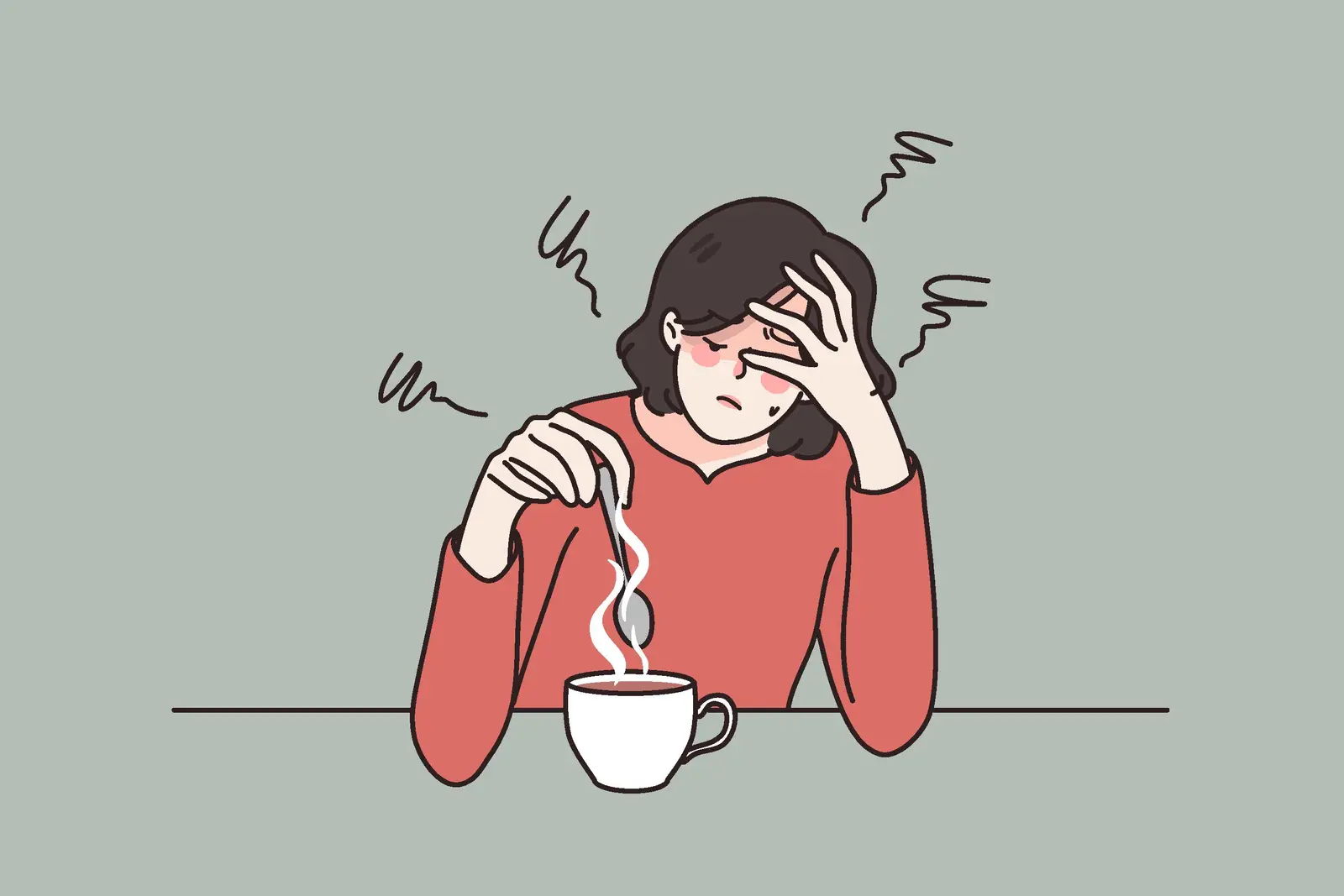
Yes, drowsiness can be a sign of muscle relaxer abuse. Like with other central nervous system depressants, misusing these medications can cause excessive sleepiness or “nodding off” at inappropriate times, such as while driving, working, or during conversations. However, because drowsiness is also a common side effect when muscle relaxers are used correctly, drowsiness alone is not a reliable indicator of dependency.
Other signs can provide clearer evidence of CNS depressant abuse. These may include:
- Neglecting responsibilities
- Engaging in suspicious behavior
- Sudden changes in friends or hobbies
- Increased legal trouble
- Unexplained need to borrow money
- Obtaining muscle relaxers from friends or family
- “Doctor shopping” to secure more medication
- Lack of motivation
- Sudden mood swings
- Acting withdrawn, depressed, or isolated
- Needing higher doses to achieve the same effect
- Continuing to take the medication to avoid withdrawal symptoms
- Struggling to control use
- Continuing to use muscle relaxers despite negative consequences
- Blurred vision
- Low blood pressure
- Sustained mood swings
- Dilated pupils
Individuals exhibiting these behaviors may have a substance use disorder. If these signs are accompanied by a preoccupation with obtaining or using muscle relaxers, spending significant time managing the effects, and experiencing withdrawal when stopping, the person may be experiencing a more severe form of substance use disorder: addiction.
Getting Help for Muscle Relaxer Abuse
Dependence on muscle relaxers is a serious condition that requires professional treatment and intervention. If you believe you may be abusing or misusing muscle relaxers, share your concern with a trusted loved one and contact Southeast Addiction Center.
Together, we will create an individualized, comprehensive treatment program that addresses the root causes of your addiction and provides a plan to help you achieve lasting recovery.
Our team is available 24/7 to answer questions about coverage, services, and our fully accredited facility. Contact us today — we are here to help.